
Human-Machine Interface is the point of contact between a person and a system.
It can be a screen, a display, a control panel, an application, or an onboard interface. In every case, it has a precise role: making information readable and guiding actions.
Designing an HMI means building a clear, consistent, and safe user experience. The interface is the visible part of this experience, but its value also comes from what happens beneath the surface: logic, flows, response times, information hierarchies, and system behavior.
Every choice affects the way a person understands the system, makes decisions, and acts.
In complex systems, this clarity is essential. A well-designed HMI reduces the risk of error, improves control, and makes technology easier to use.
In recent years, HMIs have become increasingly advanced systems. From simple visualization interfaces, they have evolved into digital environments capable of managing data, signals, commands, and information in real time.
The increase in automation has made the way information is presented more important. People must be able to read the status of the system, recognize priorities, and intervene when necessary.
For this reason, today an HMI must be designed together with the system from the earliest stages. It is developed in relation to hardware, software, control logic, safety requirements, and user experience.
At the same time, development tools are also evolving. It is now possible to model interface logic, generate code, validate behavior, and test functionalities before final integration.
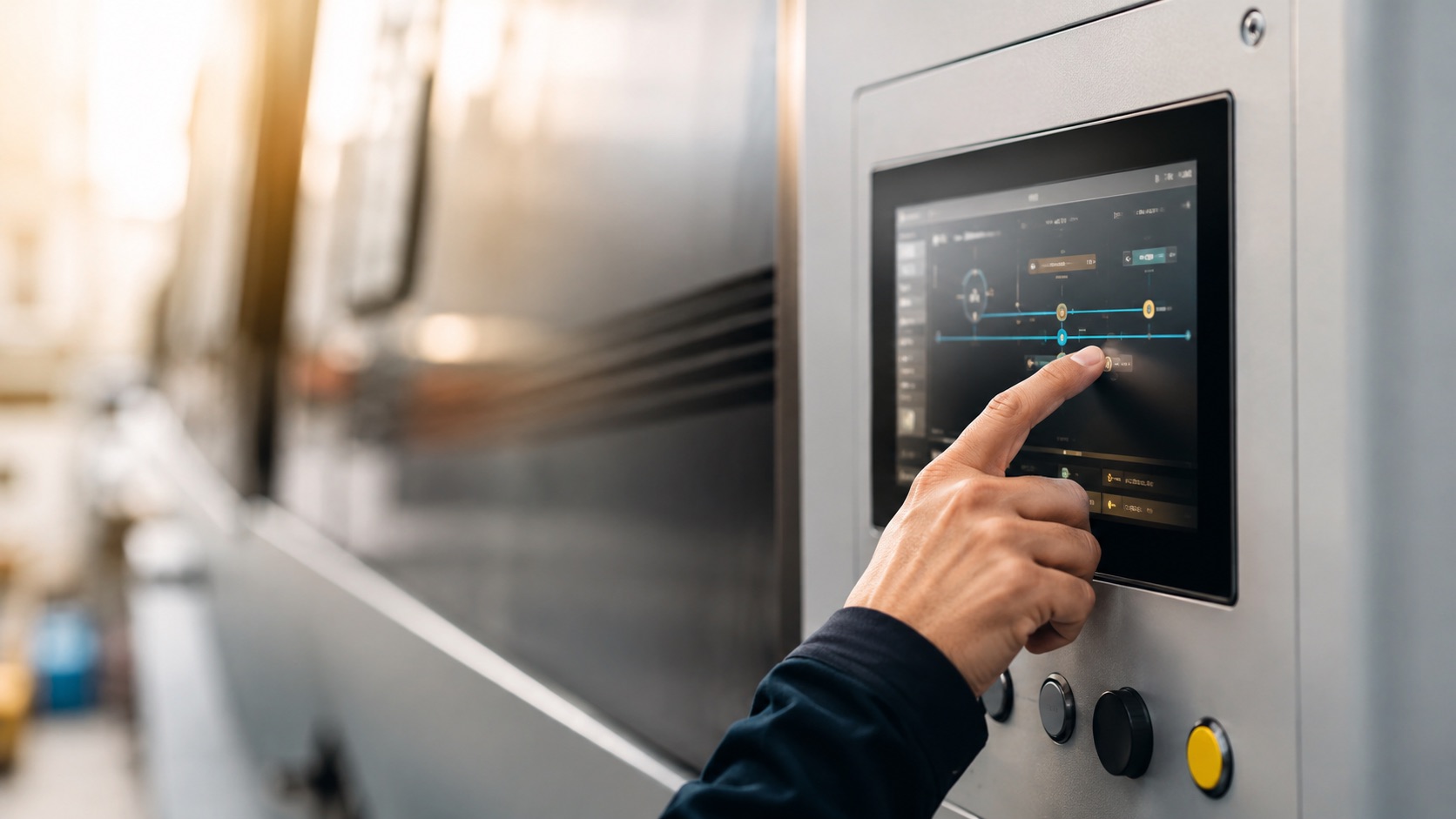
The evolution of HMIs is also reflected in the way we develop them at Teoresi.
We work on interfaces for complex systems, where user experience, software logic, and embedded systems must be designed together. We start from the usage context and system requirements. From there, we define flows, organize information, develop logic, and integrate the different project layers.
Our work connects what people see with the logic that allows technology to function. The interface therefore becomes an active part of the system: it displays information, guides actions, and communicates with software and hardware.
In projects, we may work on single or multiple displays, digital clusters, and interfaces that collect information, commands, and functions across one or more screens. We also work on control panels and interfaces for embedded applications integrated into devices and electronic systems.
Depending on the objectives, we use different tools and methods: graphical and functional development, logic modeling, code generation, validation, and testing.
The experience gained across different sectors allows us to adapt each HMI to the context in which it will be used. The result is a clearer, more stable user experience, aligned with the operation of the system.
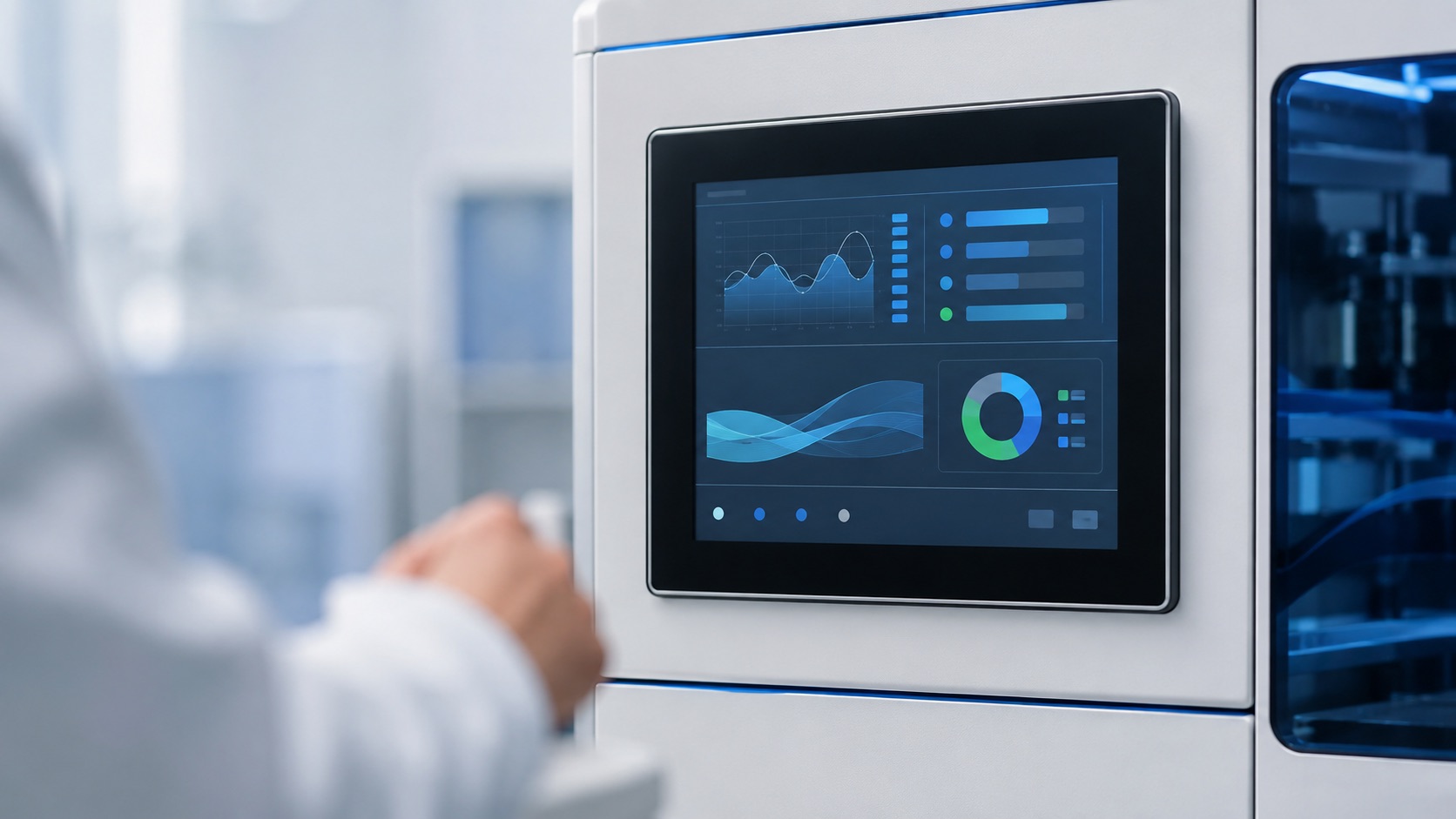
In complex systems, the amount of information, signals, and functions to manage is constantly increasing. The HMI serves to organize this complexity, enabling people to understand what is happening and interact with the system in a clearer and more controlled way.
This function becomes particularly important in contexts where reading speed, continuity of interaction, and precision of actions can affect system operation.
For this reason, an HMI is not only about the graphical aspect of the interface, but about the way people, information, and technology work together.
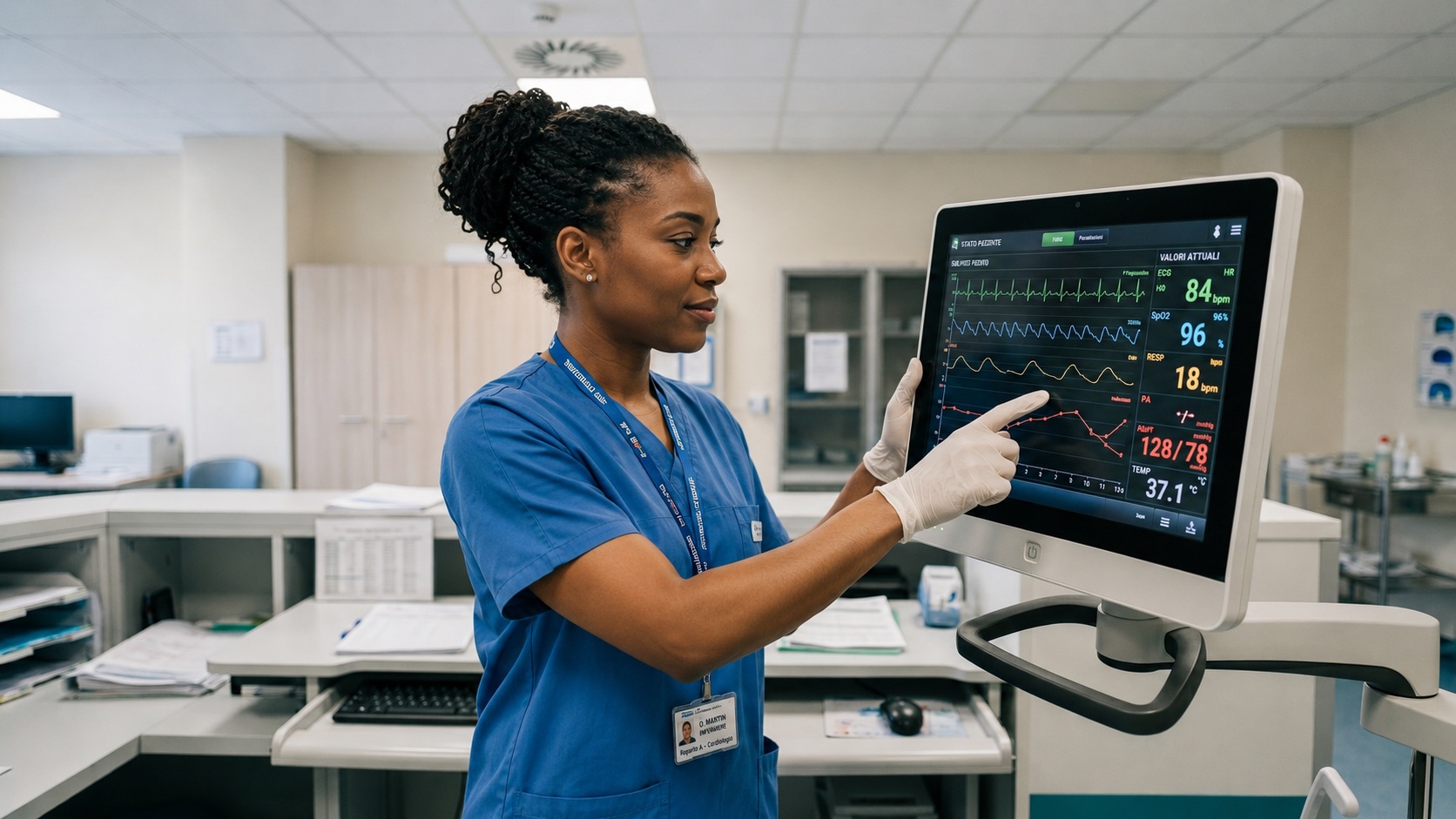
HMIs are an integral part of many devices and systems used every day, even if we are often unaware of them. In automotive, they organize driving information, navigation, vehicle status, and onboard functions within displays, digital clusters, and cockpits. In industry, they support the control of machines, processes, and operational parameters through panels and supervision systems. In connected devices and embedded systems, they allow data monitoring, function management, and continuous interaction with the product.
Each context requires different needs: reading speed, clarity of information, continuity of operation, integration with the system, and the ability to adapt to operating conditions. For this reason, designing an HMI means finding a balance between system behavior, technological constraints, and user experience.